
Our Services
Water Resource Management
Water management helps in developing efficient irrigation practices for the betterment of everyone. Proper utilization of water in our homes too can save this precious resource. Water management teaches us to use a limited amount of water whenever required.
Water Management
Proper and effective water resource management provides lasting benefits to all landscapes and land management projects. Through the use of efficient water management techniques, such as state of the art irrigation systems, rainwater harvesting systems, recreation of wetlands, and natural stormwater management solutions, ECI is mitigating the effects of drought throughout the San Francisco and Monterey Bay areas.
Rain Water Harvesting
Rain Water Harvesting (RWH) or Rain Catchment Systems can provide multiple beneficial additions to your landscape as well as your property. The stored water can be used to:
- Water landscape/food plants
- Fire suppression
- Dust suppression
- Flushing of toilets
- Washing clothes, tools and machines
- Back-up drinking water supply*
- Watering livestock*
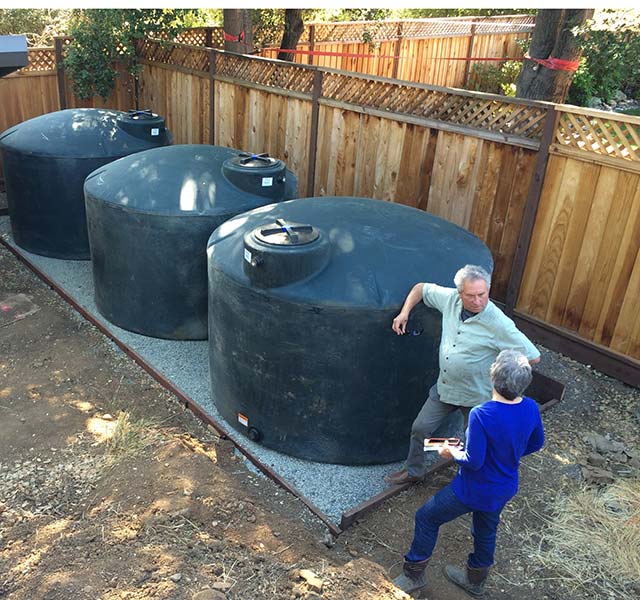
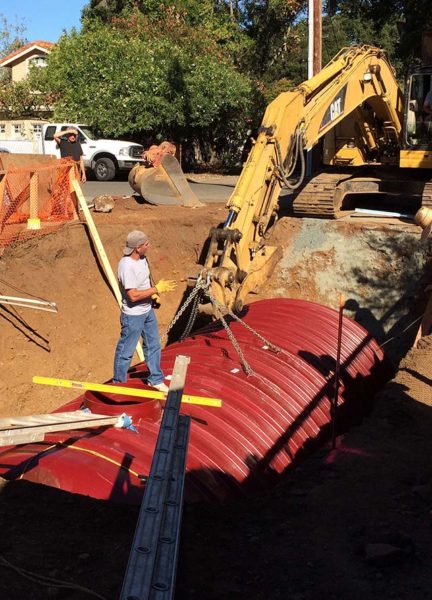
For most systems the water will be collected in a tank of various size and material. Plastic and metal are the most common. The tanks can be buried under or placed above ground and can be painted, shrouded or covered to match the surrounding decor.
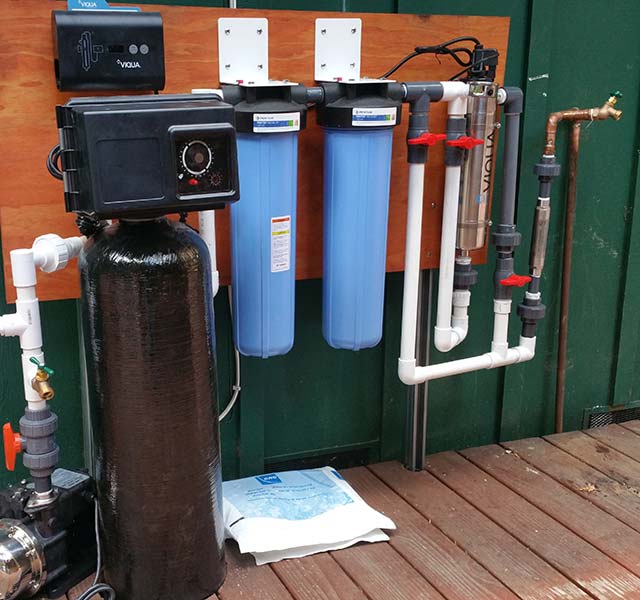
*filters, UV, heat, etc. must be applied before consumption, in most cases
System Design
While most RWH systems are gravity fed, the implementation of pumps, float valves and/or irrigation valves can provide a fully functioning irrigation system, all fed by the water from your roof! ECI has years of design and install experience to help guide, design and implement the new Rain harvesting system of your dreams.
System Installation
ECI has American Rain Catchment Systems Association (ARCSA) certified technicians on staff, ensuring the RWH system is installed to the highest standards and performance levels. With multiple installs, ranging from a few hundred gallons to tens of thousands of gallons, ECI has the experience to get the job done right and make sure it lasts
Irrigation
Irrigation is a necessary part of the landscape installation and habitat restoration process, especially in times of drought. Irrigation ensures that livelihood of plants and their root establishment. In order to use as little water resources as possible, ECI involves our experts to design water efficient irrigation systems, installs them using the most water saving techniques, and audits and monitors the systems to ensure all is working properly.
The state of California is under constant threat of drought. Studies show that just under half of the urban water use in California is due to landscape irrigation. Irrigation monitoring, adjustments and improvements can be made to increase water use efficiency and overall landscape health.
Design
Treating waste water naturally takes time and can produce fresh water through the use of different soil and Water efficient irrigation design utilizes the latest cutting edge technology to ensure we are using as little water as possible and feeding our plants properly. Knowing the proper products goes hand in hand with the selection of low water use and native plants, landscape functionality, knowledge of microclimates and our native ecosystems.
Installation
rack record of successful irrigation installs, ECI has become one of the leading specialists in the Bay Area. Fixated on water efficiency and system longevity, ECI has the National Association Landscape Professionals (NALP) and California State Certified Technicians to get the job done right, the first time. By offering our employees the opportunities to expand certifications and pursue new learning avenues, ECI is able to effectively communicate and implement new ideas and products, while ensuring the end result is a fully functional, water efficient, sustaining irrigation system.
Auditing
The state of California, Uniform Plumbing Code(UPC) and Model Water Efficient Landscape Ordinance(MWELO) mandates that any new landscape installation requires an audit to be performed by a third party Irrigation Association(IA) Certified Landscape Irrigation Auditor(CLIA) if:
- 500 square feet(sqft) or larger
- Requiring a building/landscape permit, plan check or design review
- Rehabilitated system 2500sqft or larger
Performed by IA CLIA, ECI provides professional assessments and recommendations for both old and new irrigation systems, to help ensure optimal water use, landscape health and to follow local, state and federal code.
Wastewater Treatment
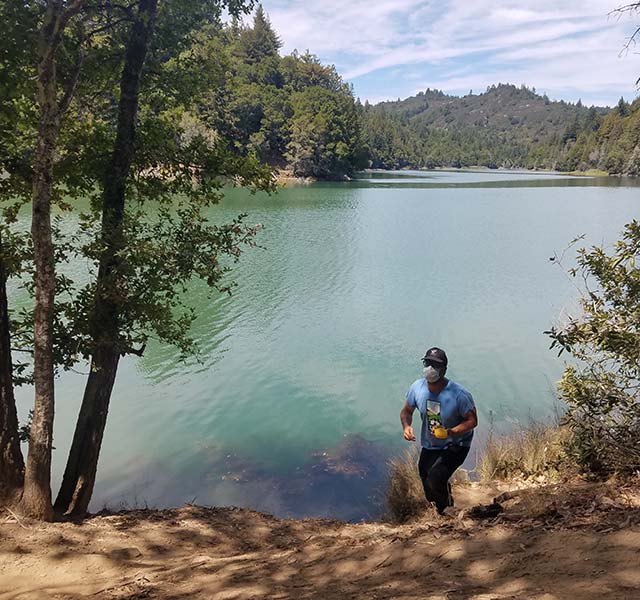
Water is precious in California. What we put into our water or waterways has a huge impact on the environment and our future. The treatment of wastewater can range from being acceptable for plant watering, toilet flushing, livestock watering and up to human consumption. Wastewater treatment can also help offset drought, reverse saltwater intrusion and re-charge aquifers.
Natural Wastewater Solutions
Treating waste water naturally takes time and can produce fresh water through the use of different soil and plant types which aid in filtration. By filtering the water through sand and gravel the water can also be purified. Plants can trap particulates and substances, which then on a microscopic level begin to be broken down further and eliminated over time.
Not all “natural” filtration is a closed loop. Some cases where oil is prevalent, i.e. a parking lot, the surrounding landscape and soil being used to filter the water can become dirty or full of particulates, as with any common filter, and need to be cleaned or replaced over time
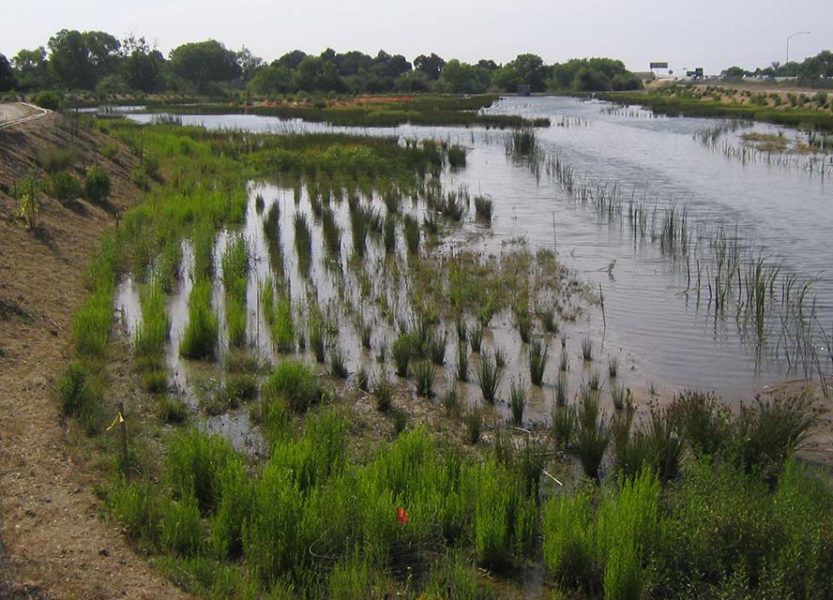
ECI specializes in water and plant management, emphasizing the use of native plants and native habitat. By using this knowledge ECI is able to help implement planning, design and installation of fully functional waste and/or storm water filtration landscape features. Features include but are not limited to:
- Bio-swales
- Infiltration ponds
- Sediment ponds
- Dry creeks
- Check ponds
- Wetland development and mitigation
- Dry wells
Wetlands
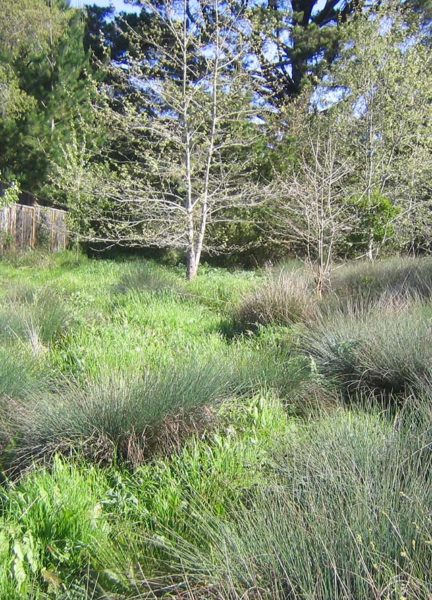
Wetlands are very sensitive microclimates that are disappearing in the state of California at a rapid pace. Due mostly to drought, the wetlands are shrinking and in turn birds and other wildlife are unable to utilize the wetlands for multiple, critical purposes. Reduction in wildlife populations, increase of disease and decrease of natural waterways and habitat are just a few impacts on the environment.
Wetlands also act as settling ponds and bio-filters. They can sequester carbon and have native species of plants that are specific to the wetland environment. Some plants are strictly wetland species and are not seen anywhere else in the world. These microclimates are critical to natural filtration and bio-diversity.
ECI has extensive experience with wetland mitigation, maintenance and restoration. Headed by a group of biologist, botanists and ecologists, ECI’s team has been tasked with many challenging wetland projects. Working closely with environmental agencies and clients, ECI has sustained multiple wetland sites, while following strict and precise guidelines to ensure pristine conditions.
Storm Water Management
The implementation of mulch into a landscape simply adds to the beauty of it’s biodiversity. When walking in the forest natural mulch is everywhere. The trees shed leaves, branches and bark which lay on the ground to decompose. Plants die and lay down on the ground. Plants, animals, insects and micr-organisms all benefit from this natural pro- cess. Whether in the wooStorm water management is necessary to ensure the volume and velocity of water, during a storm event, can be properly displaced without flooding, erosion or damage to infrastructure. In a large storm event, water can wash away roads and hillsides, push out culverts and undermine buildings. With the introduction of sidewalks, roads, buildings and structures water is now being concentrated in areas, rather than draining into the earth.
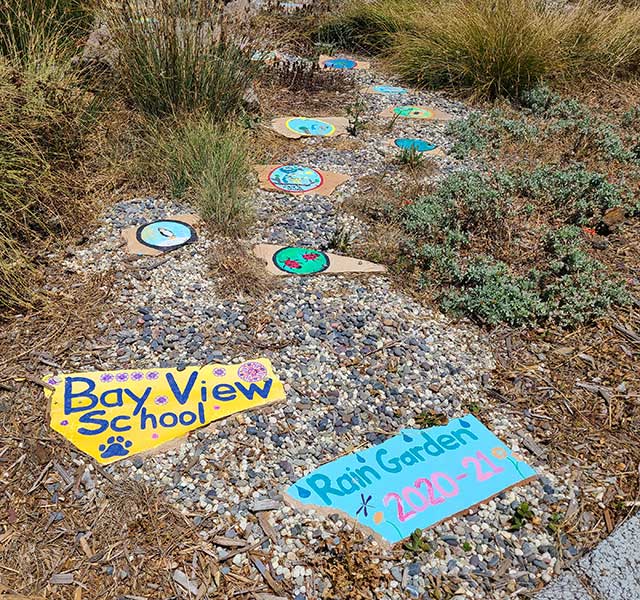
A few basic applications of managing storm water are:
- Rain Harvesting
- Bio-swales
- Sediment Ponds
- Infiltration Ponds
- Dry creek/streams
- Sizing drainage to accept large volumes of water
- Erosion control i.e. Straw waddles, jute netting, drain inlet filters, check dams
- Grading landscape and hardscape to reduce run-off and velocity of water
With the motto “slow it, sink it, spread it” ECI has become one of leading specialists in design and implementation of storm water management plans. Ranging from large 10,000sqft storm water run-off infiltration ponds to small residential, rain catchment fed dry creeks and bio-swales. Managing storm water is the first and last item to consider when planning a site. ECI is committed to ensure your site conforms to local code and has long-lasting functionality throughout fruition and long after completion.
Natural Water Retention
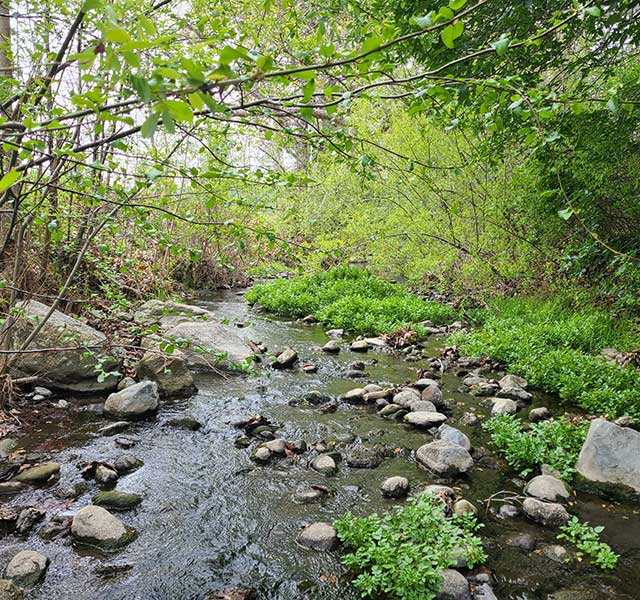
In the state of California any construction of a pond or “standing/pooling” water for extended periods of time is not allowed. Infiltration ponds, sediment ponds, bio-swales, dry creeks/streams, large basins to small ditches and leach fields are some examples of natural water retention. These applications help to hold and move water slowly over time, but do not hold the water indefinitely. It is also a way to eliminate the needs for any foreign materials i.e. concrete, metal and plastic. Natural water retention ensures the water stays in the area it fell and potentially re-charges the aquifer, rather than immediately flowing to drains, rivers or out to sea. ECI works closely with private, local and state entities while focusing on the natural habitat and the self-sustaining functionality of the landscape as whole. This is in effort to reduce run-off, charge aquifers and provide native plant and animal habitat.
Related Projects
-
Bay View School Ecological Campus
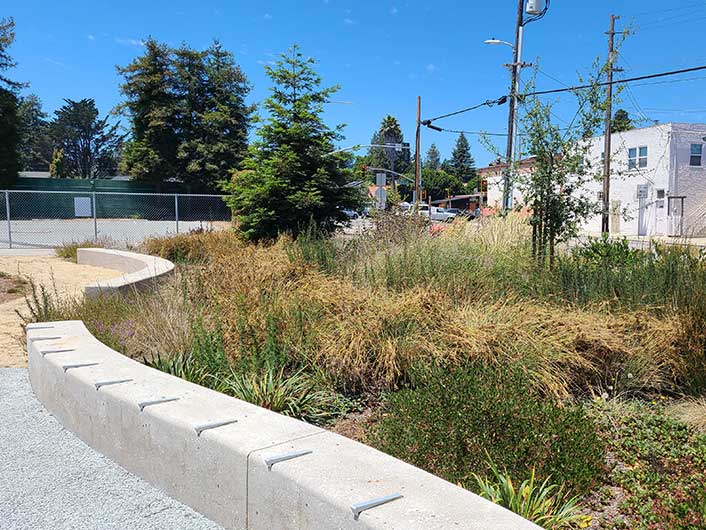
For this project, ECI teamed up with MADI Architects to create a new and ecologically mindful campus for the Bay View Elementary school.
-
Bollinger Canyon Wetland Mitigation
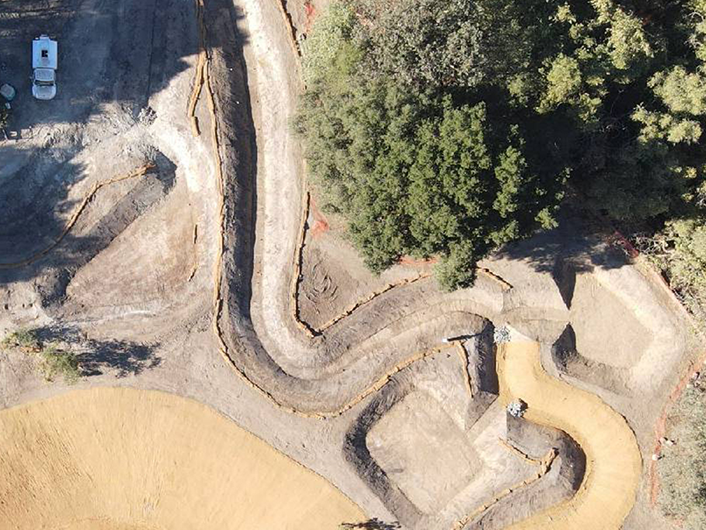
Bollinger Canyon location was chosen to construct a wetland and creek mitigation project, with 6 constructed wetlands totalling upwards of 6,000 square feet and almost 1,200 lineal feet of creek bed.
Let’s Join
Forces
Creating a better
future together
Become a Client
Let’s work together to design, grow and build your ideal landscape and restore local habitat.
Join Our Team
Want a job with integrity where you can be part of the restoration of our native habitats? Apply to join our team.